
Linear Ultrasound Probe for Superficial Imaging — Hitachi EUP-L53

Public supplier signals are visible here. Send an inquiry when the listing looks commercially fit.
Product Details
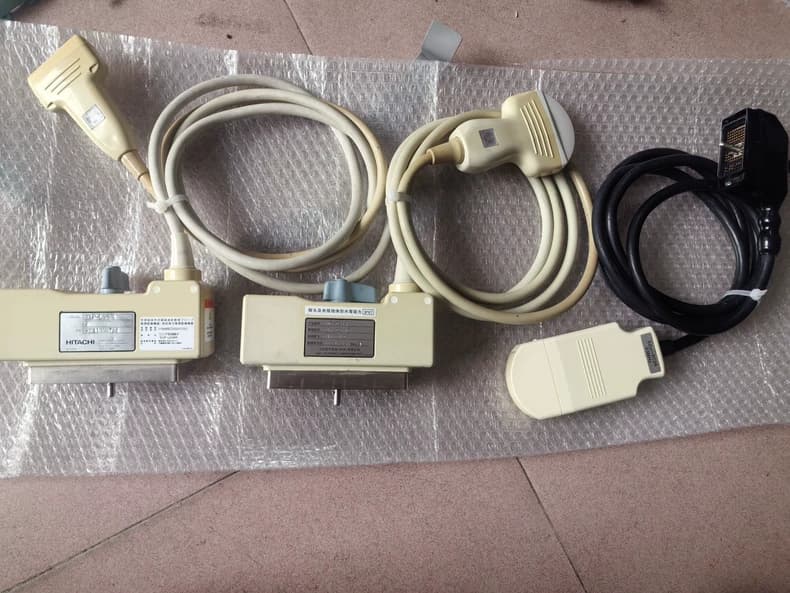
In busy diagnostic imaging centers, vascular labs, and specialized clinics, versatile tools are essential for efficient patient workflow. The Hitachi EUP-L53 is a linear ultrasound transducer designed to meet the demands of a wide range of superficial imaging applications, providing clear, high-resolution images.
This probe's linear array format makes it particularly well-suited for visualizing structures close to the skin. Clinicians frequently use this type of transducer for detailed assessments in various procedures, from vascular mapping to musculoskeletal evaluations.
- Primary Applications: Ideal for vascular studies, small parts evaluation (such as thyroid and breast), and general musculoskeletal (MSK) imaging.
- Transducer Type: High-frequency Linear Array Probe.
- Brand: Hitachi
For procurement departments and clinical engineering, it is crucial to verify that the EUP-L53 is compatible with your specific Hitachi ultrasound system model before purchase. This probe can serve as a valuable addition to expand your system's clinical capabilities or as a replacement for an existing transducer.
More from Pramor Medical GmbH
More in Ultrasound Transducer

Related editorial coverage
Ultrasound Transducer Common Failure Modes: How to Diagnose, Repair, or Replace
Ultrasound probe image problems? Diagnose lens delamination, oil leaks, cable damage & element dropout. Repair vs replace framework + find repair services on MedTrade.
AI Medical Imaging 2026: What the Clinical Data Actually Says
A data-driven look at AI radiology in 2026: the largest RCT ever conducted, why models crash across populations, and the ROI gap no one talks about.
Ultrasound Transducer Buying Guide 2026: New vs Refurbished, Brand Comparison & What to Check Before You Buy
New vs refurbished ultrasound probes: GE, Philips, Siemens, Samsung compared. Covers compatibility, repair costs, and supplier verification.