
Versatile OB/GYN and Vascular Ultrasound System: The GE Logiq E9

Public supplier signals are visible here. Send an inquiry when the listing looks commercially fit.
Product Details
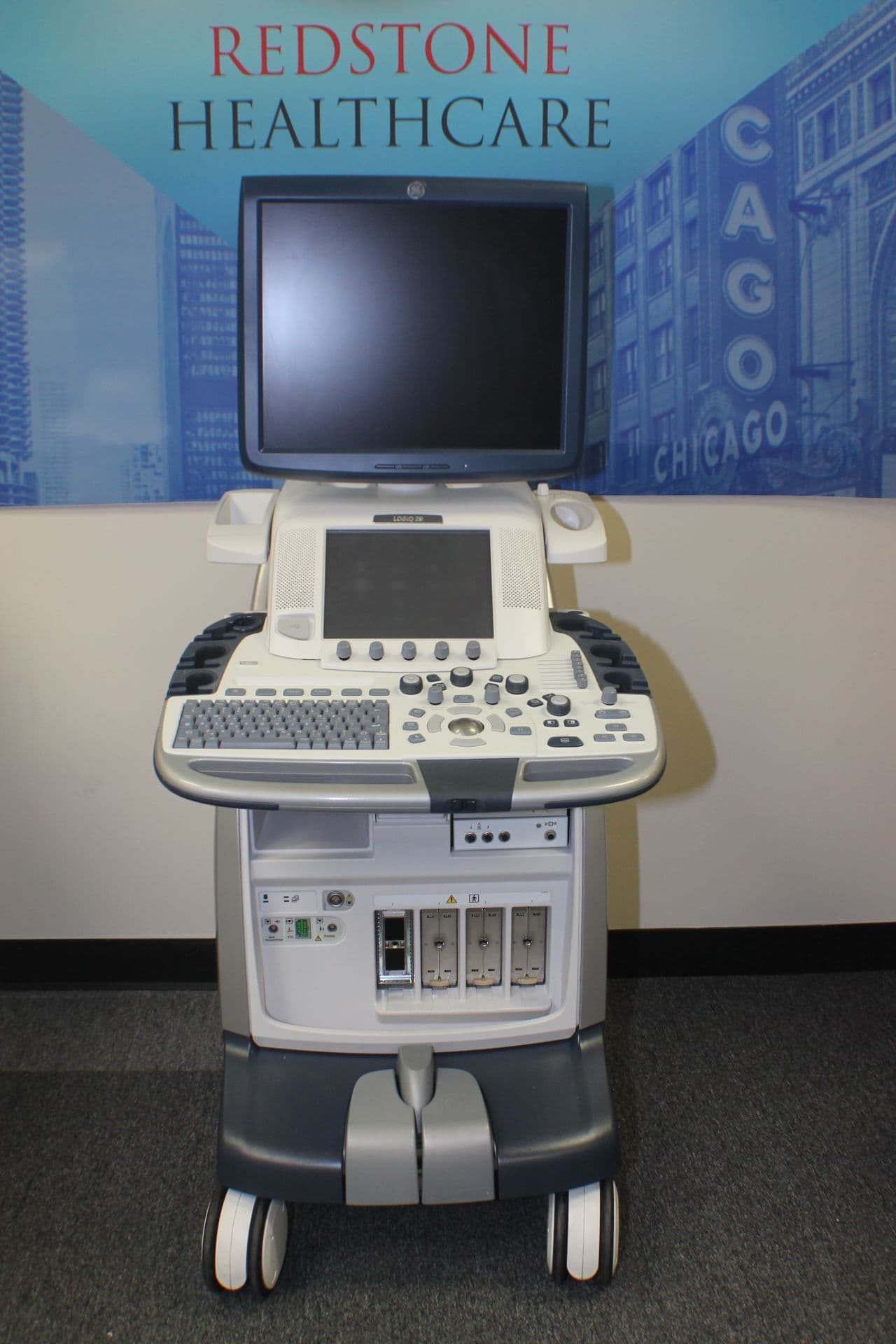
The GE Logiq E9 is a premium, high-performance ultrasound system engineered to handle a wide spectrum of demanding diagnostic imaging tasks. Its reputation is built on delivering exceptional image quality and advanced capabilities, particularly in complex clinical environments.
- Shared Service Powerhouse: While adept across multiple disciplines, the Logiq E9 excels in detailed examinations for radiology, vascular, and OB/GYN applications, providing the clarity needed for confident diagnoses.
- Advanced Imaging Architecture: The system is designed to acquire and reconstruct data with remarkable speed and precision, resulting in high-resolution images that reveal fine anatomical details.
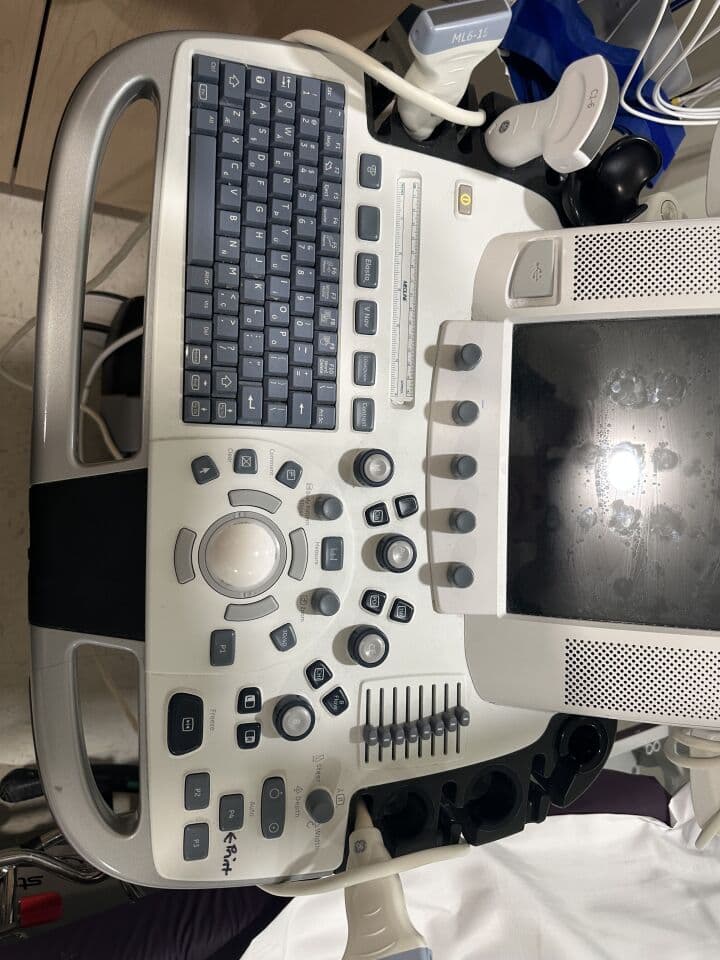
- Ergonomic Design: Built for the realities of a busy clinic or hospital department, the console and transducer design prioritize user comfort and efficient workflow during long scanning sessions.
For facilities requiring a single, powerful system that can adapt to a diverse patient load, the GE Logiq E9 represents a robust and reliable imaging solution. Its combination of advanced features and user-centric design makes it a valuable asset for any diagnostic imaging team.
More from GEG Enterprises

More in Ultrasound Transducer

Related editorial coverage
GE LOGIQ E9 Touchscreen Calibration Drift — Taps Register in Wrong Location or Areas Unresponsive
LOGIQ E9 touchscreen 'drifting' — taps register in wrong spot? 90% of cases are calibration drift, not hardware failure. GE official 2-step method: verify first, then calibrate. 9-point hold (not tap).
Ultrasound Transducer Common Failure Modes: How to Diagnose, Repair, or Replace
Ultrasound probe image problems? Diagnose lens delamination, oil leaks, cable damage & element dropout. Repair vs replace framework + find repair services on MedTrade.
AI Medical Imaging 2026: What the Clinical Data Actually Says
A data-driven look at AI radiology in 2026: the largest RCT ever conducted, why models crash across populations, and the ROI gap no one talks about.