
Kodak DirectView CR 975 Computed Radiography System

Public supplier signals are visible here. Send an inquiry when the listing looks commercially fit.
Product Details
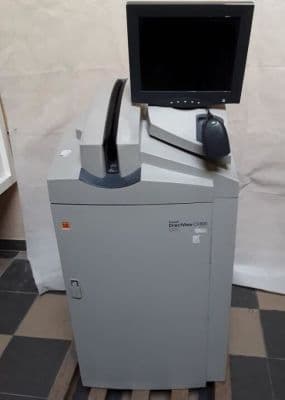
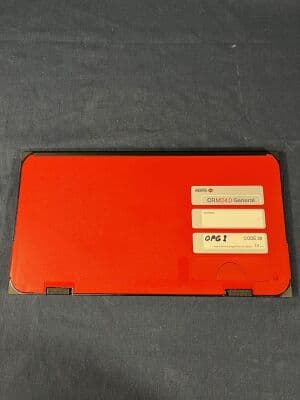
The Kodak DirectView CR 975 stands as a high-throughput solution in the DirectView family, engineered for demanding, high-volume imaging environments. As an evolution from earlier or lower-volume CR systems, the CR 975 was designed to significantly accelerate workflow by minimizing manual intervention and maximizing cassette processing speed.
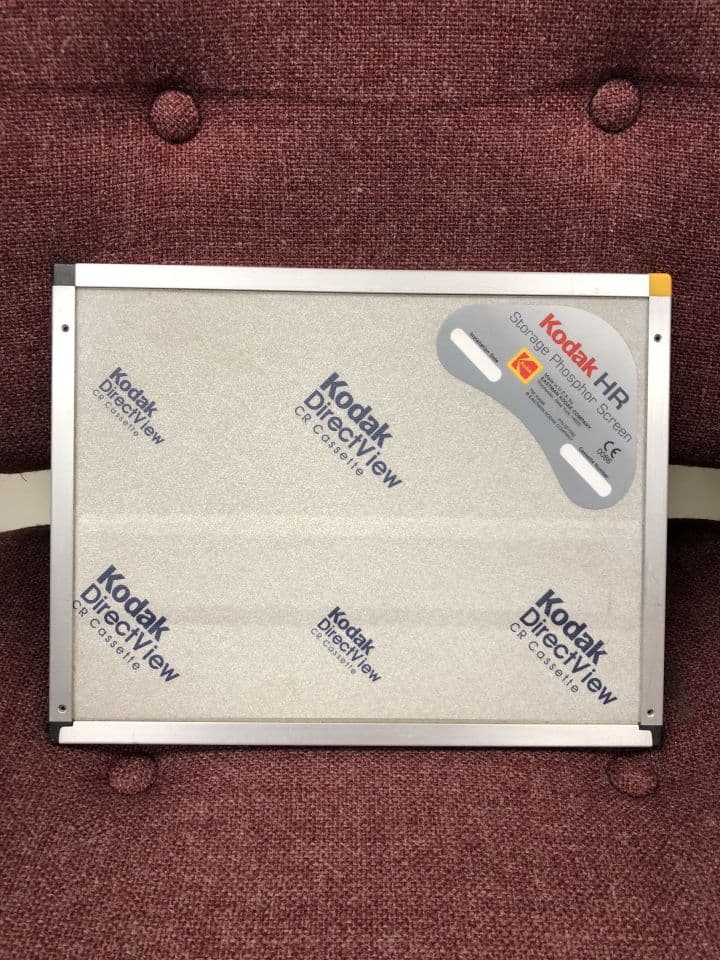
This system bridges the gap between traditional film-based radiography and fully digital solutions. It operates by scanning and digitizing x-ray exposures captured on phosphor imaging plates, which are housed in standard-sized cassettes. The result is high-quality digital images that can be reviewed, enhanced, and integrated into a PACS network.
- High-Volume Workflow: Optimized for busy radiology departments and imaging centers, capable of processing a high number of cassettes per hour.
- Automated Cassette Handling: Features a multi-cassette stacker, supporting a "drop-and-go" workflow that allows technologists to focus more on patient care.
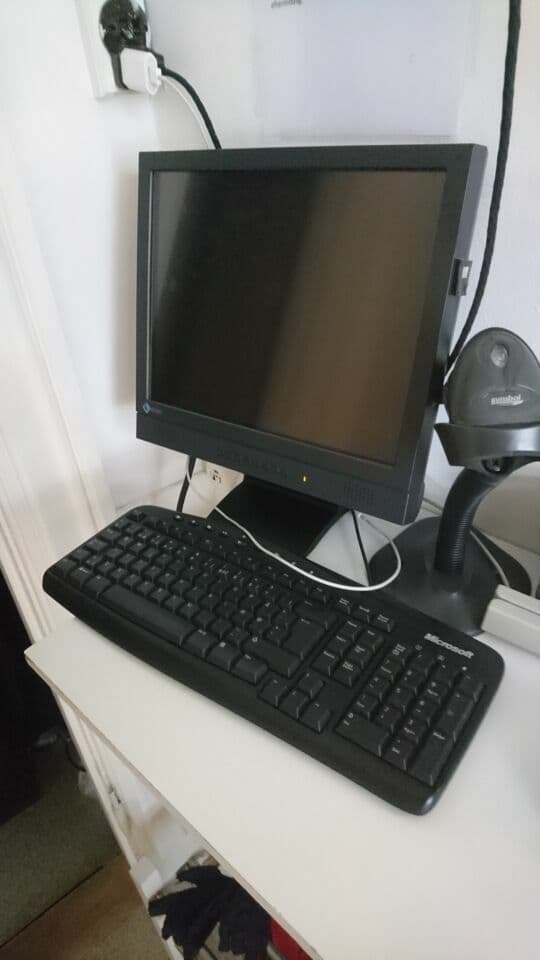
- Integrated Quality Control: Includes an integrated operator console for immediate image preview, editing, and quality assurance before images are sent to the radiologist.
For procurement managers and department heads, the CR 975 represents a robust and reliable investment for digitizing general radiography. Its proven performance makes it a workhorse system suitable for primary diagnostic imaging in hospitals and large clinics requiring efficient and consistent throughput.
More from Pramor Medical GmbH
More in Chest X-Ray
Related editorial coverage
Ultrasound Transducer Common Failure Modes: How to Diagnose, Repair, or Replace
Ultrasound probe image problems? Diagnose lens delamination, oil leaks, cable damage & element dropout. Repair vs replace framework + find repair services on MedTrade.
AI Medical Imaging 2026: What the Clinical Data Actually Says
A data-driven look at AI radiology in 2026: the largest RCT ever conducted, why models crash across populations, and the ROI gap no one talks about.