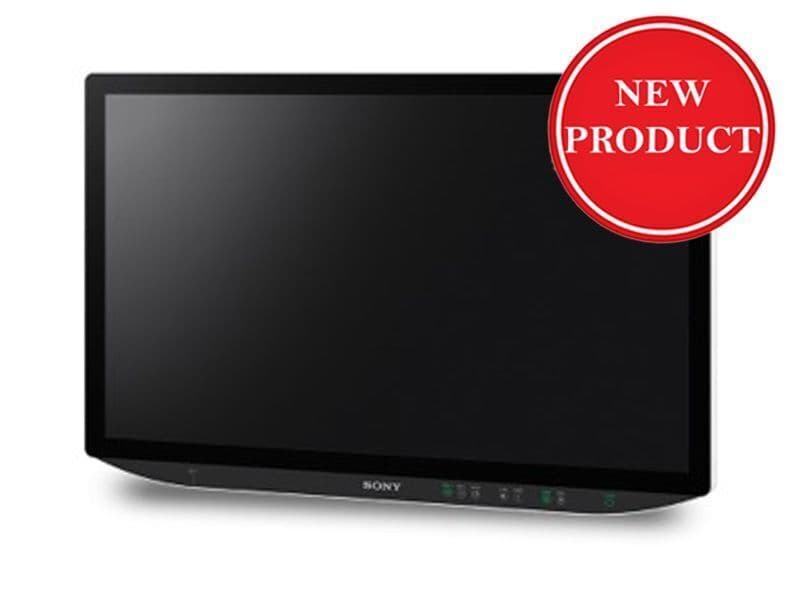
Eizo RadiForce LS560W 56-inch QFHD Surgical Display Monitor

Public supplier signals are visible here. Send an inquiry when the listing looks commercially fit.
Product Details
The Eizo RadiForce LS560W represents a significant advancement in large-format medical visualization, designed to replace complex multi-monitor arrangements in demanding clinical environments. By consolidating multiple video and data sources onto a single, expansive screen, it streamlines the visual workflow for surgical and interventional teams.
This monitor's core strength lies in its ability to deliver exceptional detail across a large viewing area. Key features include:
- Expansive 56-inch Screen: Provides a vast canvas for displaying diverse imaging modalities side-by-side without bezels interrupting the view.
- Quad Full High Definition (QFHD) Resolution: With a native resolution of 3840 x 2160 pixels, it ensures that intricate anatomical details from CT, MRI, and live fluoroscopy are rendered with outstanding clarity.
- Multi-Source Display: Engineered to simultaneously display inputs from various systems, making it a central hub for visual information in the operating room or interventional suite.
Ideal for hybrid operating rooms, cath labs, and interventional radiology, the LS560W allows clinicians to maintain focus on a single, coherent display. This can enhance procedural efficiency and ergonomic comfort by reducing the head and eye movement required with multiple smaller screens.
For facilities planning new suite installations or upgrading existing ones, the LS560W offers a powerful, integrated solution for managing the increasing complexity of intraoperative imaging.
More from Ampronix


More in Display Monitor

Related editorial coverage
Ultrasound Transducer Common Failure Modes: How to Diagnose, Repair, or Replace
Ultrasound probe image problems? Diagnose lens delamination, oil leaks, cable damage & element dropout. Repair vs replace framework + find repair services on MedTrade.
AI Medical Imaging 2026: What the Clinical Data Actually Says
A data-driven look at AI radiology in 2026: the largest RCT ever conducted, why models crash across populations, and the ROI gap no one talks about.