
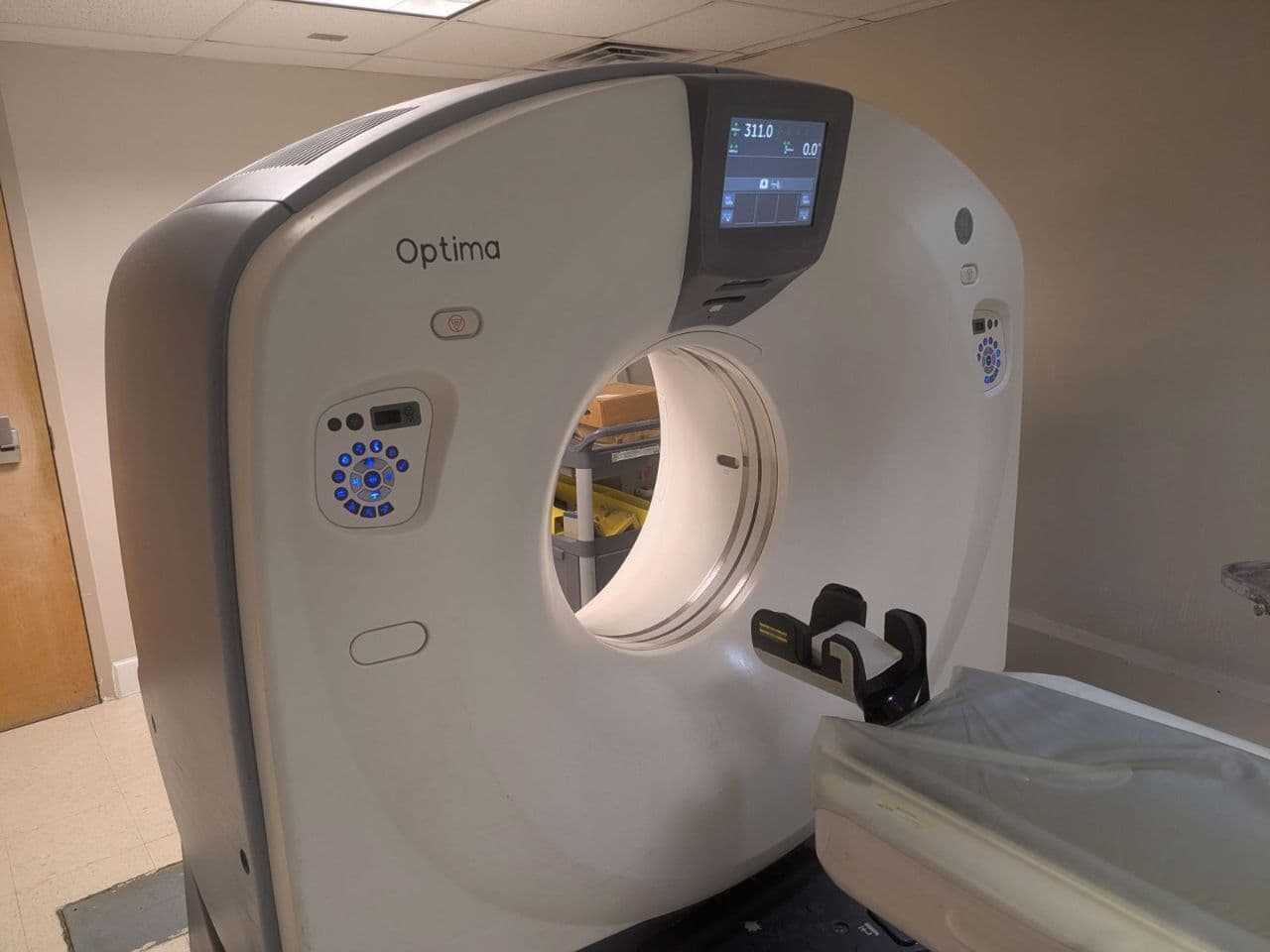
GE Optima CT660 64-Slice CT Scanner

Public supplier signals are visible here. Send an inquiry when the listing looks commercially fit.
Product Details
The GE Optima CT660 represents a significant evolution in computed tomography, building upon the reliability of previous generations to deliver advanced diagnostic capabilities in a workhorse platform. It is engineered to provide high-quality images while managing radiation dose, making it a versatile choice for a wide range of clinical environments.
As a 64-slice CT scanner, the Optima CT660 enables clinicians to make fast and confident diagnoses across numerous applications. Its design focuses on balancing imaging power with patient-centric care, incorporating technologies to optimize workflow and enhance the patient experience.
- Advanced Imaging: Capable of performing complex procedures including cardiac, angiography, and perfusion studies with exceptional detail.
- Dose Reduction Technology: Often equipped with GE's ASiR (Adaptive Statistical Iterative Reconstruction) technology, which can significantly lower radiation dose compared to standard filtered back-projection techniques without compromising image quality.
- Workflow Efficiency: Features a streamlined user interface and protocols designed to accelerate scan setup and processing, improving departmental throughput.
For imaging departments and hospitals looking to upgrade their capabilities, the Optima CT660 offers a compelling blend of advanced applications and operational efficiency, supporting a high standard of care in both routine and specialized examinations.
More from ALM International Inc
More in CT Scanner
Related editorial coverage
Ultrasound Transducer Common Failure Modes: How to Diagnose, Repair, or Replace
Ultrasound probe image problems? Diagnose lens delamination, oil leaks, cable damage & element dropout. Repair vs replace framework + find repair services on MedTrade.
AI Medical Imaging 2026: What the Clinical Data Actually Says
A data-driven look at AI radiology in 2026: the largest RCT ever conducted, why models crash across populations, and the ROI gap no one talks about.