Toshiba DRX — Chiropractic X-ray System

Public supplier signals are visible here. Send an inquiry when the listing looks commercially fit.
Product Details
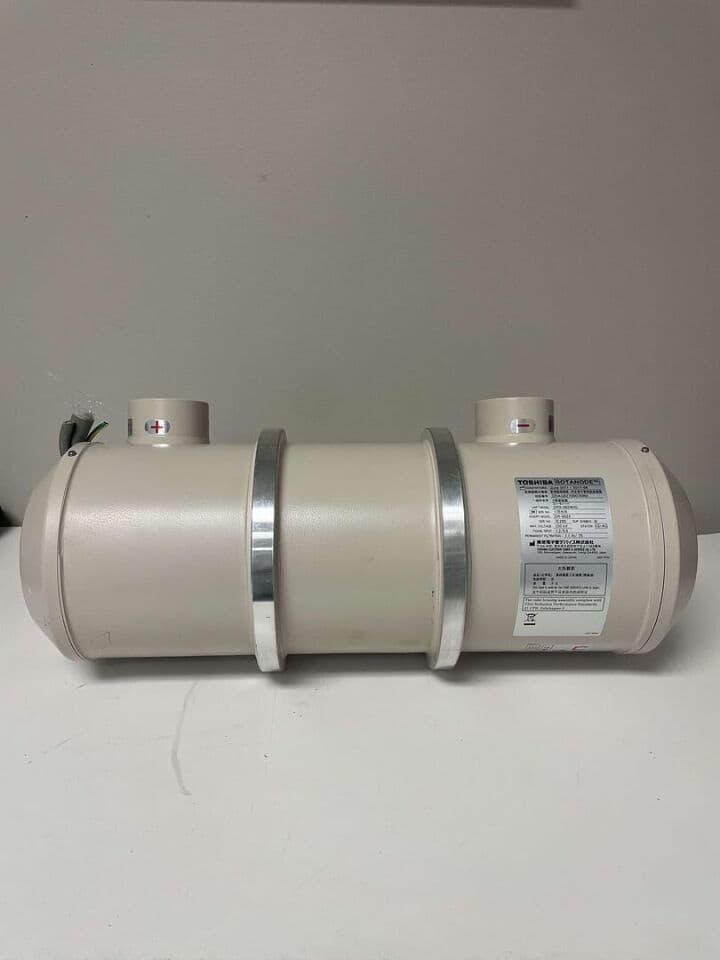
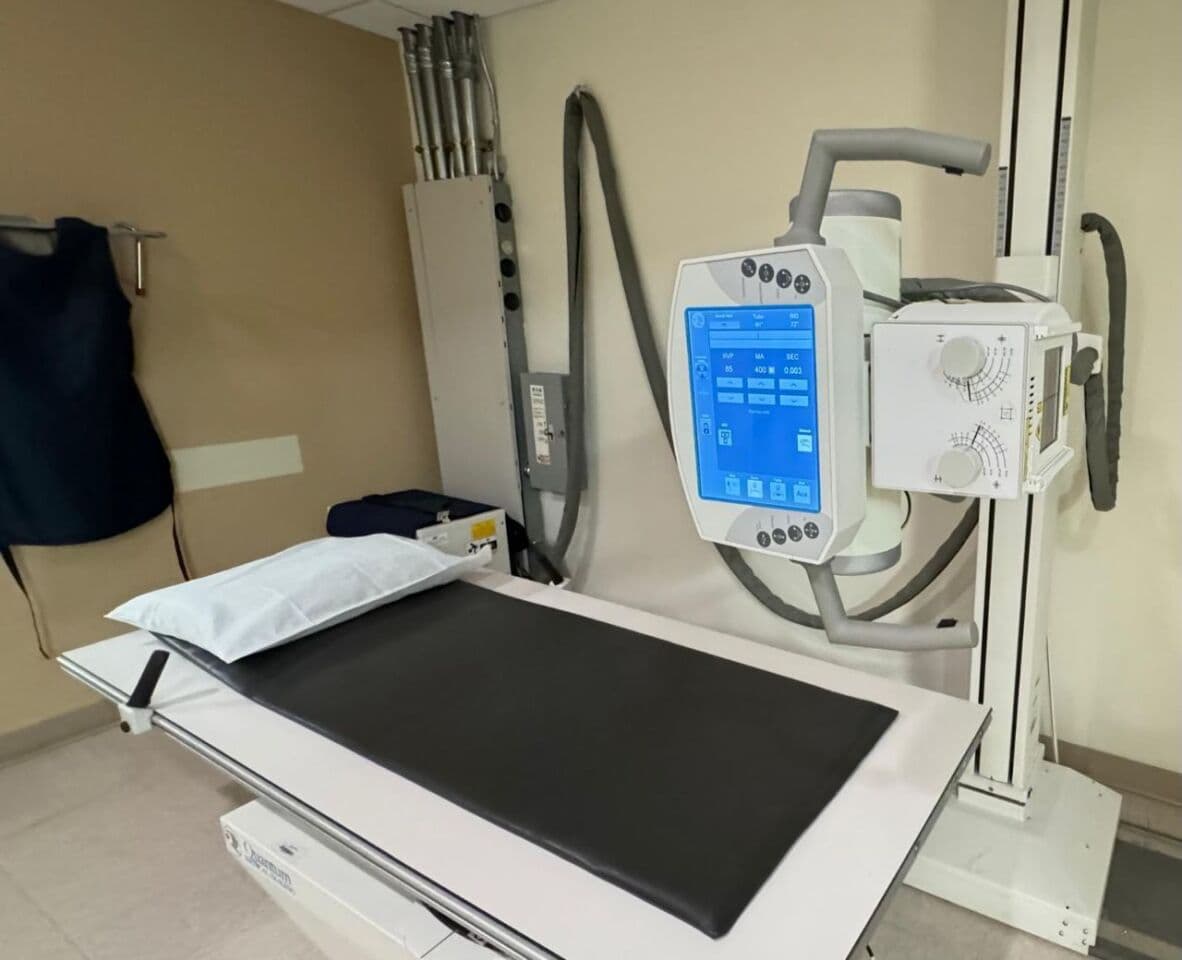
The Toshiba DRX represents a significant step forward for chiropractic practices looking to transition from traditional film or computed radiography (CR) to a fully digital radiography (DR) workflow. While many facilities are familiar with DR technology in general radiology, this system is specifically configured to meet the demands of chiropractic imaging, focusing on high-quality skeletal and spinal studies.
By integrating digital detector technology, the DRX system aims to streamline the entire imaging process. This can lead to faster patient throughput, immediate image review, and a potential reduction in patient radiation dose compared to older methods. The enhanced image quality of DR often allows for clearer visualization of anatomical details critical for chiropractic analysis and treatment planning.
- Application: Optimized for spinal and skeletal imaging in a chiropractic or orthopedic setting.
- Technology: A complete digital radiography (DR) system, offering workflow advantages over CR and film-based X-ray.
- Design: Engineered to provide the specific views and image quality required for chiropractic diagnostics.
For facilities considering this system, it is advisable to evaluate its physical footprint and existing room configuration. As a complete radiographic system, procurement teams should confirm site readiness, including power and shielding requirements, to ensure a smooth installation process.
More from ALM International Inc

More in Chiropractic X-ray

Related editorial coverage
Ultrasound Transducer Common Failure Modes: How to Diagnose, Repair, or Replace
Ultrasound probe image problems? Diagnose lens delamination, oil leaks, cable damage & element dropout. Repair vs replace framework + find repair services on MedTrade.
AI Medical Imaging 2026: What the Clinical Data Actually Says
A data-driven look at AI radiology in 2026: the largest RCT ever conducted, why models crash across populations, and the ROI gap no one talks about.